
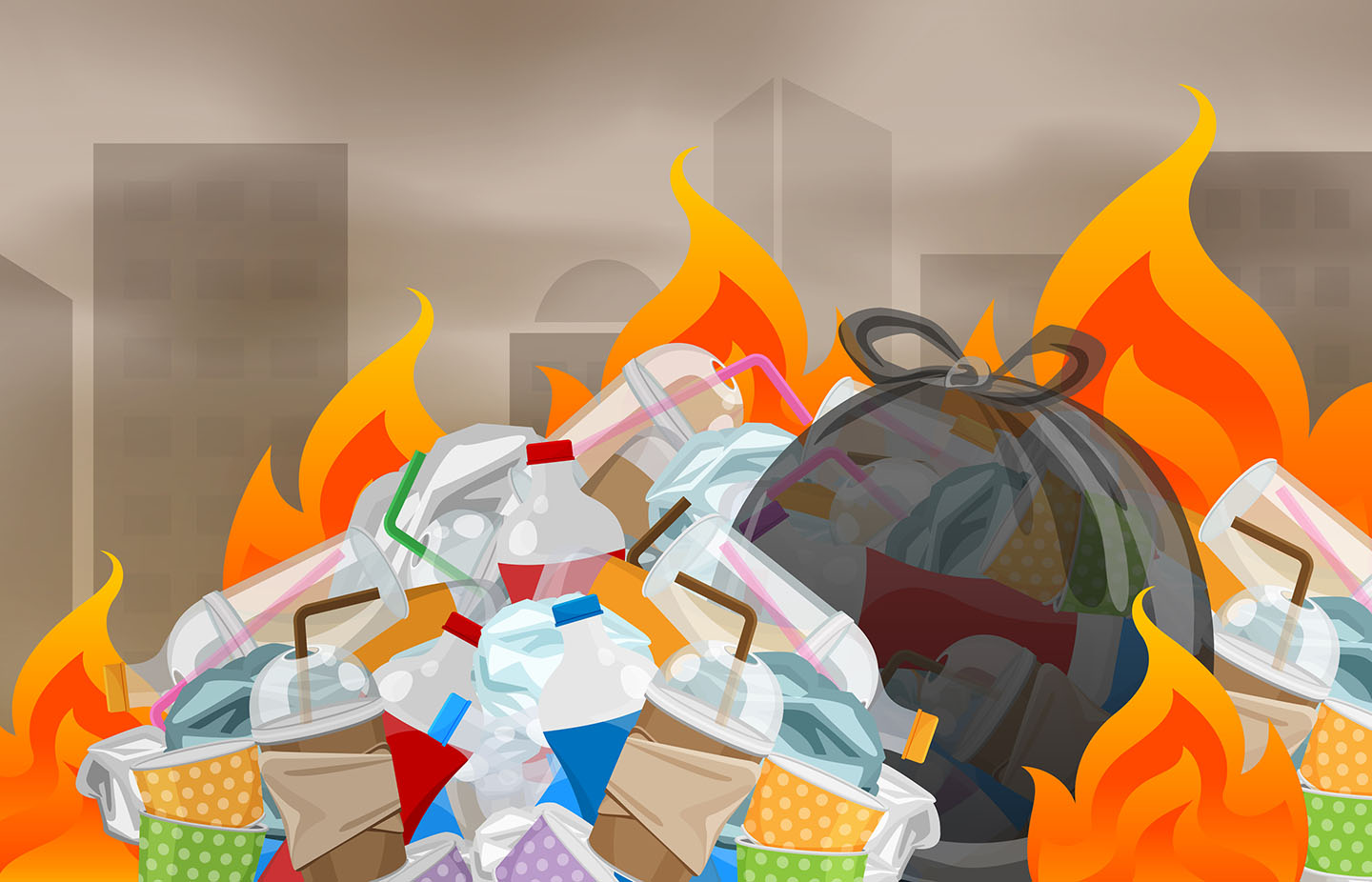
Red to Green Efficient Disposal
The concept of “Red to Green” incineration represents a shift in how medical waste is viewed. Instead of treating it solely as a hazard to be eliminated, modern systems are finding ways to convert that waste into a resource. Red symbolizes regulated medical waste. Green represents energy production and environmental responsibility.
This approach combines safety with sustainability, turning a necessary disposal process into an opportunity for energy recovery.
What Red to Green Means in Practice
Red to Green incineration starts with the same strict handling protocols as traditional medical waste disposal. Waste is carefully segregated, transported, and processed in controlled environments. The difference lies in what happens during and after incineration.
Rather than simply destroying waste, these systems capture the heat generated during combustion and convert it into usable energy. This energy can then be fed into the electric grid, contributing to the local power supply.
In practical terms, this means:
- Hazardous waste is safely eliminated
- Energy is generated as a byproduct
- Dependence on traditional fuel sources is reduced
It is a more efficient use of a process that must happen regardless.
Supporting Outbreak Control
During disease outbreaks, the volume of medical waste can increase rapidly. Materials contaminated by viruses or other pathogens must be handled quickly and effectively to prevent further spread.
Red to Green systems are particularly valuable in these situations. They allow for:
- Rapid processing of high-risk waste
- Complete destruction of infectious agents
- Continuous operation during high-demand periods
This ensures that outbreak-related waste does not accumulate or create secondary risks.
Examples of High-Risk Situations
Certain diseases require immediate and thorough waste disposal. These include:
- Rabies exposure materials
- Avian influenza (bird flu) contamination
- Bovine spongiform encephalopathy (mad cow disease)
- Other zoonotic or highly infectious conditions
In each of these cases, incineration is the most reliable method for ensuring that pathogens are fully neutralized.
Environmental Benefits of Energy Recovery
One of the most important advantages of Red to Green incineration is its contribution to energy efficiency. By capturing and reusing the heat generated during waste destruction, facilities can reduce overall environmental impact without compromising safety or regulatory compliance.
Key benefits include:
- Lower reliance on fossil fuels
- Reduced landfill usage
- Decreased greenhouse gas emissions compared to untreated waste decomposition.
This aligns with broader sustainability goals while still maintaining strict safety standards.
What makes this approach more effective than traditional disposal is how the captured energy is actually used. Instead of being wasted, the heat produced during incineration is converted into usable energy to power the facility itself or feed into the local grid. That means the same process that safely destroys hazardous waste is also offsetting the need for additional energy production elsewhere.
It also helps reduce long-term environmental strain. Medical waste does not belong in landfills, and when it ends up there, it can create ongoing risks through contamination and gas emissions. Incineration eliminates that risk while reducing the volume of waste that would otherwise occupy space for decades.
In short, Red to Green incineration turns a necessary safety measure into a more efficient, forward-thinking system. It protects public health while also making better use of the resources involved in the process.
Protecting Communities
The ultimate goal of any medical waste disposal system is to protect people. Red to Green incineration strengthens this protection by combining reliable pathogen destruction with responsible resource management.
Communities benefit from:
- Reduced risk of contamination
- Cleaner disposal processes
- Additional energy resources
It is a system designed not only to handle waste, but to do so in a way that supports long-term public health and environmental stability.
The Role of Maine Medical Waste
Organizations like Maine Medical Waste are implementing these advanced disposal strategies to safeguard communities. By integrating Red to Green practices into their operations, they ensure that medical waste is handled with both precision and purpose.
Their approach reflects a broader trend in the industry. Waste management is no longer just about removal. It is about transformation, efficiency, and responsibility.
Moving Toward a More Sustainable Future
Red to Green incineration represents the future of medical waste disposal. It acknowledges the reality that hazardous waste must be destroyed, while also recognizing the opportunity to do more with the process.
By turning waste into energy, facilities can reduce environmental impact without compromising safety. It is a practical, scalable solution that meets the needs of modern healthcare and environmental standards.
As regulations continue to evolve and sustainability becomes a greater priority, this approach will likely become the standard rather than the exception.
If your facility generates regulated medical or pathological waste, proper disposal is not optional. It is critical for compliance, safety, and public health. Partner with Maine Medical Waste to ensure your waste is handled responsibly through proven Red-to-Green incineration practices. Contact their team today to learn how you can streamline disposal, stay compliant, and contribute to a safer, more sustainable environment.