
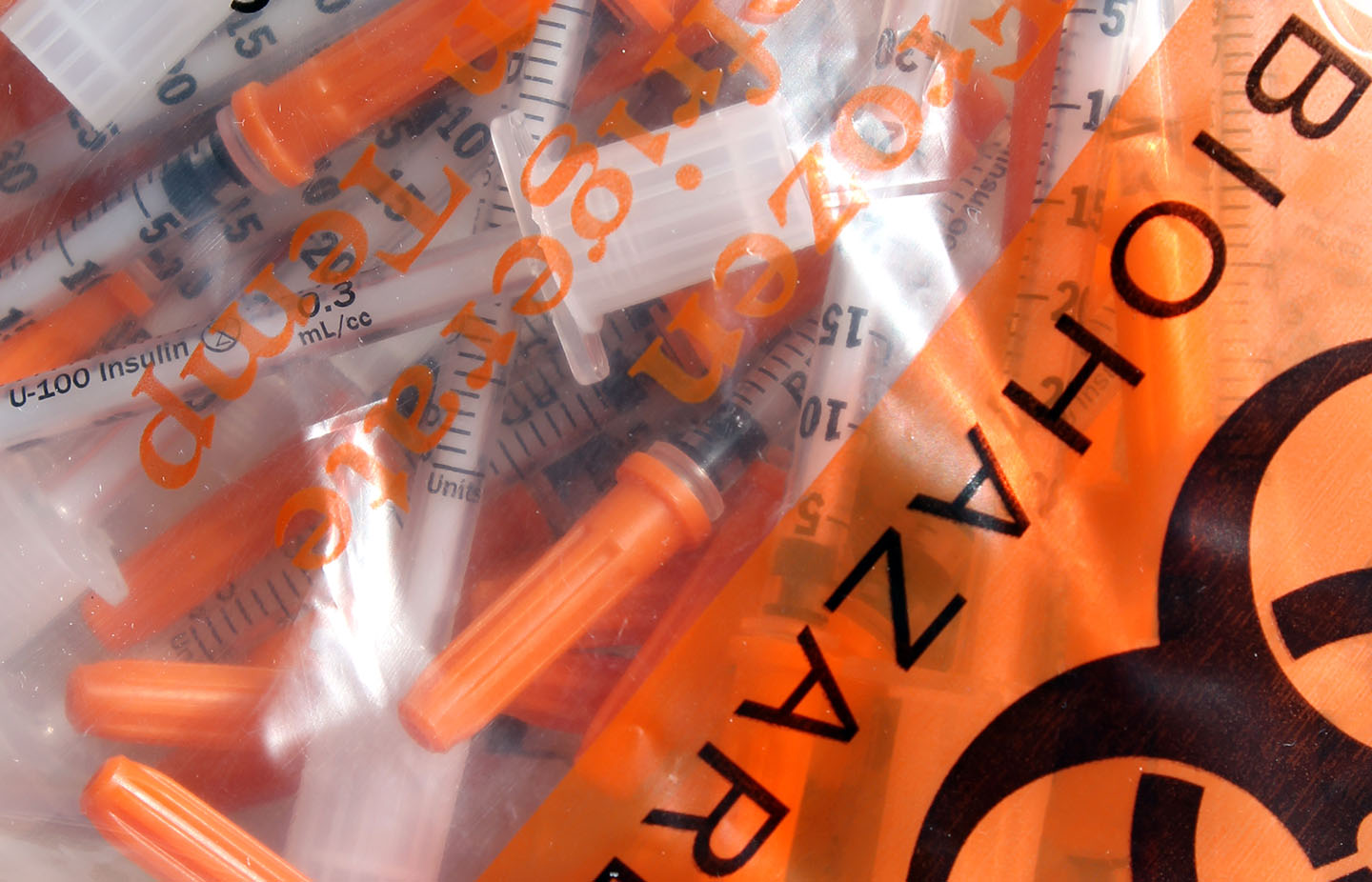
Medical waste is not the same as everyday trash. It carries biological risks that can spread disease, contaminate land, and threaten public health if not handled correctly. That is why strict disposal methods exist, and why incineration remains one of the most critical tools in managing pathological and regulated medical waste.
At its core, medical waste incineration is a high-temperature treatment process designed to safely destroy hazardous materials. This includes waste generated from hospitals, laboratories, veterinary clinics, and human or animal testing facilities. Items such as tissues, blood-soaked materials, and infectious byproducts fall into this category and require specialized handling from start to finish.
Why Incineration Is Required for Pathological Waste
Pathological waste presents a unique risk profile. Unlike standard medical waste, it can contain active pathogens that survive in landfills or water systems. This is why regulations mandate that these materials must never be disposed of through traditional waste streams.
Incineration eliminates this risk by:
- Destroying pathogens at extremely high temperatures
- Reducing waste volume significantly
- Preventing contamination of soil and groundwater
- Eliminating the possibility of disease transmission
Once incinerated, the remaining material is rendered inert, meaning it no longer poses a biological threat.
Preventing Public Health Risks
The primary objective of medical waste incineration is to protect the general public. Improper disposal can lead to serious consequences, especially when dealing with infectious diseases.
Consider outbreak scenarios such as rabies, avian influenza, or bovine spongiform encephalopathy (commonly known as mad cow disease). In these cases, contaminated materials must be handled with absolute precision. Incineration ensures that the infectious agents are completely destroyed, preventing further spread.
Without this level of control, even small amounts of contaminated waste could:
- Enter landfills and expose sanitation workers
- Leach into water systems
- Spread airborne pathogens under certain conditions
Incineration removes these variables entirely.
Regulatory Compliance and Industry Standards
Strict federal and state regulations govern medical waste disposal. Facilities that generate pathological waste must follow approved treatment methods, and incineration is often the only compliant option for certain categories of waste.
Organizations must ensure that:
- Waste is properly segregated at the source
- Materials are transported safely to licensed facilities
- Incineration processes meet environmental and safety standards
Failure to comply can result in significant penalties, but more importantly, it increases the risk to public health.
The Role of Specialized Providers
Managing medical waste is not something most organizations can handle internally. It requires specialized equipment, trained personnel, and a deep understanding of regulatory requirements.
Providers like Maine Medical Waste offer end-to-end solutions that ensure waste is collected, transported, and incinerated safely. This removes the burden from healthcare providers and ensures that every step of the process is handled correctly.
Environmental Considerations
While incineration is essential for safety, modern systems are designed to minimize environmental impact. Advanced filtration and emissions control technologies help reduce pollutants, making the process far cleaner than older methods.
Today’s incineration facilities focus on:
- Controlled combustion to maximize efficiency
- Emissions reduction systems
- Safe handling of residual ash
This balance between safety and environmental responsibility is critical in maintaining sustainable waste management practices.
Why Incineration Remains Essential
Despite advances in alternative waste treatment technologies, incineration continues to play a vital role. Certain types of medical waste cannot be treated effectively through other methods.
When dealing with high-risk biological materials, there is little margin for error. Incineration provides a level of certainty that other disposal methods cannot match. It is a controlled, proven process that ensures hazardous materials are fully neutralized before they can pose a threat.
For healthcare facilities, laboratories, and research centers, this is not just a regulatory requirement. It is a responsibility to protect both people and the environment.
If your organization handles medical or pathological waste, now is the time to rethink how it’s managed. Safe disposal is only part of the equation. Efficiency and environmental responsibility matter just as much. Maine Medical Waste offers compliant, Red to Green incineration solutions that protect public health while supporting sustainable practices. Reach out today to discuss a disposal plan that works for your facility and your long-term goals.